NextBase Vigil
November–December 2025
Designing an accessible aftermarket drowsiness detection system.

Scope:
Concept Development
UX research
Design
Context:
NUIs
Automotive
Conceptual
Problem Statement
Drowsy driving is involved in 21% of fatal crashes, yet the monitoring systems proven to prevent them are standard only in new and luxury vehicles.
Shift workers and commercial drivers are disproportionately involved in drowsiness-related accidents, and excluded from the market building solutions for them.
This is a crucial gap between technology, design, and distribution.
Goal Statement
Make the drive home safer for the people who need it most and can afford it least.
Solution
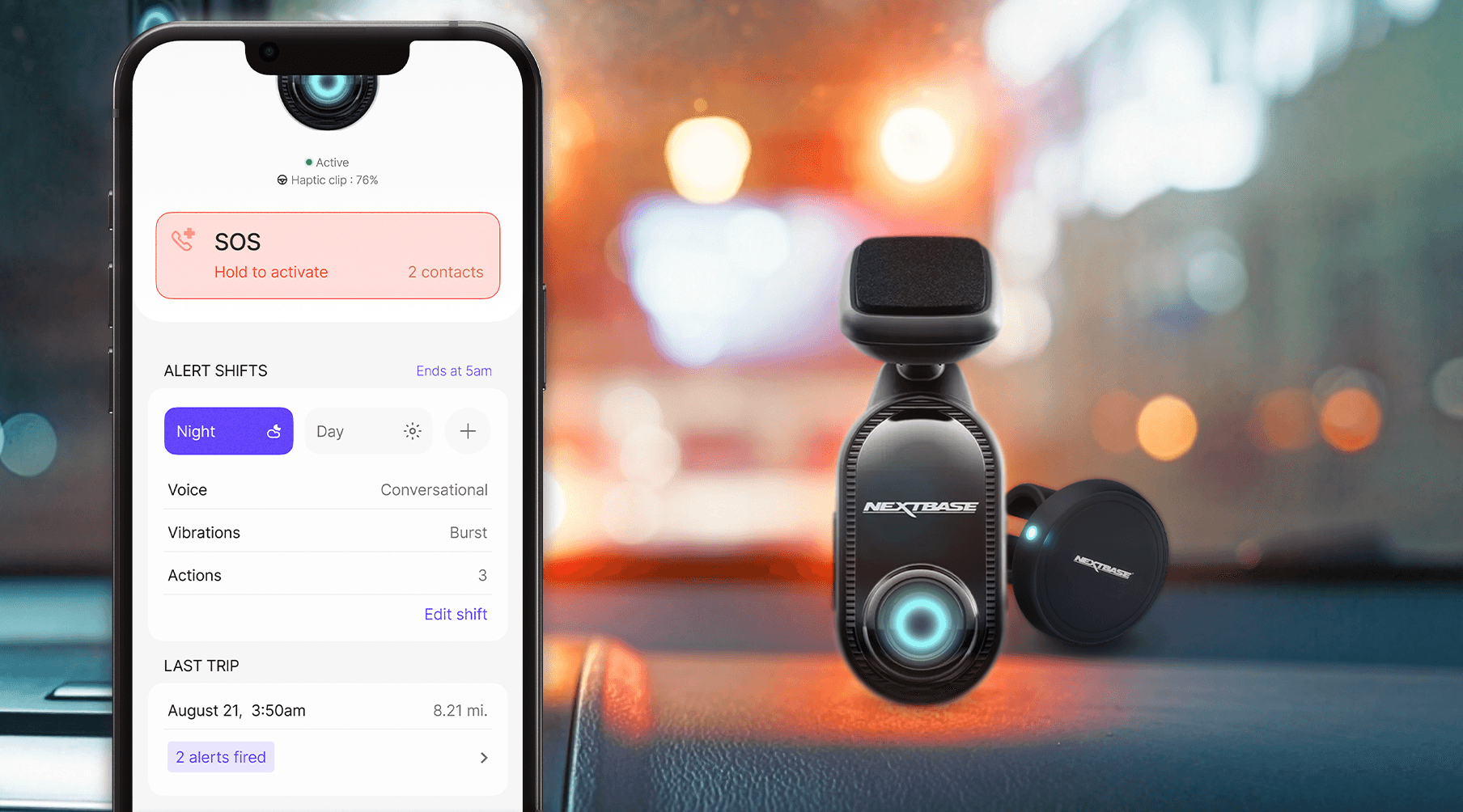
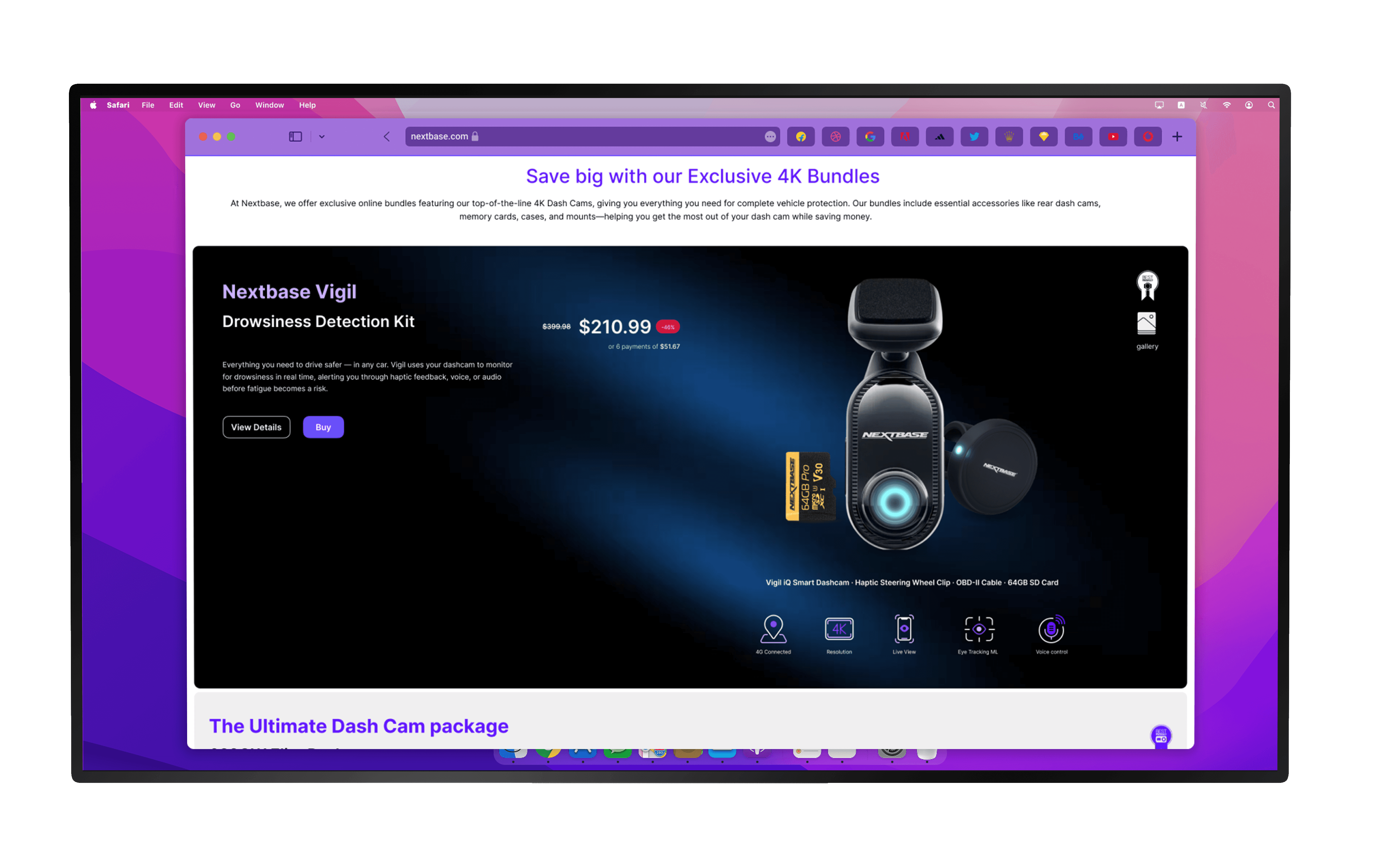
Vigil is a concept partnership with NextBase for a retrofit DMS kit combining a smart dashcam, haptic steering wheel clip, and OBD-II connection, managed through a companion app that lets users build their own alert system.
Discover
Starting with NUIs,
landing on a safety crisis.
This project began with an interest in identifying an area where NUIs weren't just interesting, but genuinely necessary.
Driver safety, specifically driver drowsiness monitoring, emerged as the clearest answer.
Drivers can't self-assess
In the same study, however, drivers who felt only mildly tired were independently measured as moderately or severely impaired in three out of four cases. 75% chose to keep driving anyway.
Who's at risk
The opportunity is abundant, but it lacks access.
80% of the US labor force commutes by car, and in-vehicle interventions have been shown to manage fatigue without impairing driving performance. So why is this still such a prevalent issue?
Define
Only solved on the business level.
Three gaps for Shift workers
Driver monitoring is a growing market, driven by fleet liability and government regulation.
Who's behind the wheel


Key insight
Neither Maria nor Alex are looking for luxury solutions. The product cannot be a burden, and it has to work with the car they already own.
Ideation
Finding the right partner.
NextBase dashcams were well positioned to meet the identified needs.
Why not car manufacturers or wearables?
The pricing models and brand positioning of car manufacturers would undercut the accessibility goal and wearable solutions don't currently have viable products on the market.
Why NextBase?
Building the alert system
Alert customization is the highest-impact design decision.
Market data identified three user demographics with meaningfully different needs and contexts. A single alert type won't reach all of them. The system needs to be layered.
Product MVP:
An infrared in-cabin camera with AI-powered attention analytics that track gaze, blink rate, head pose, and yawning.
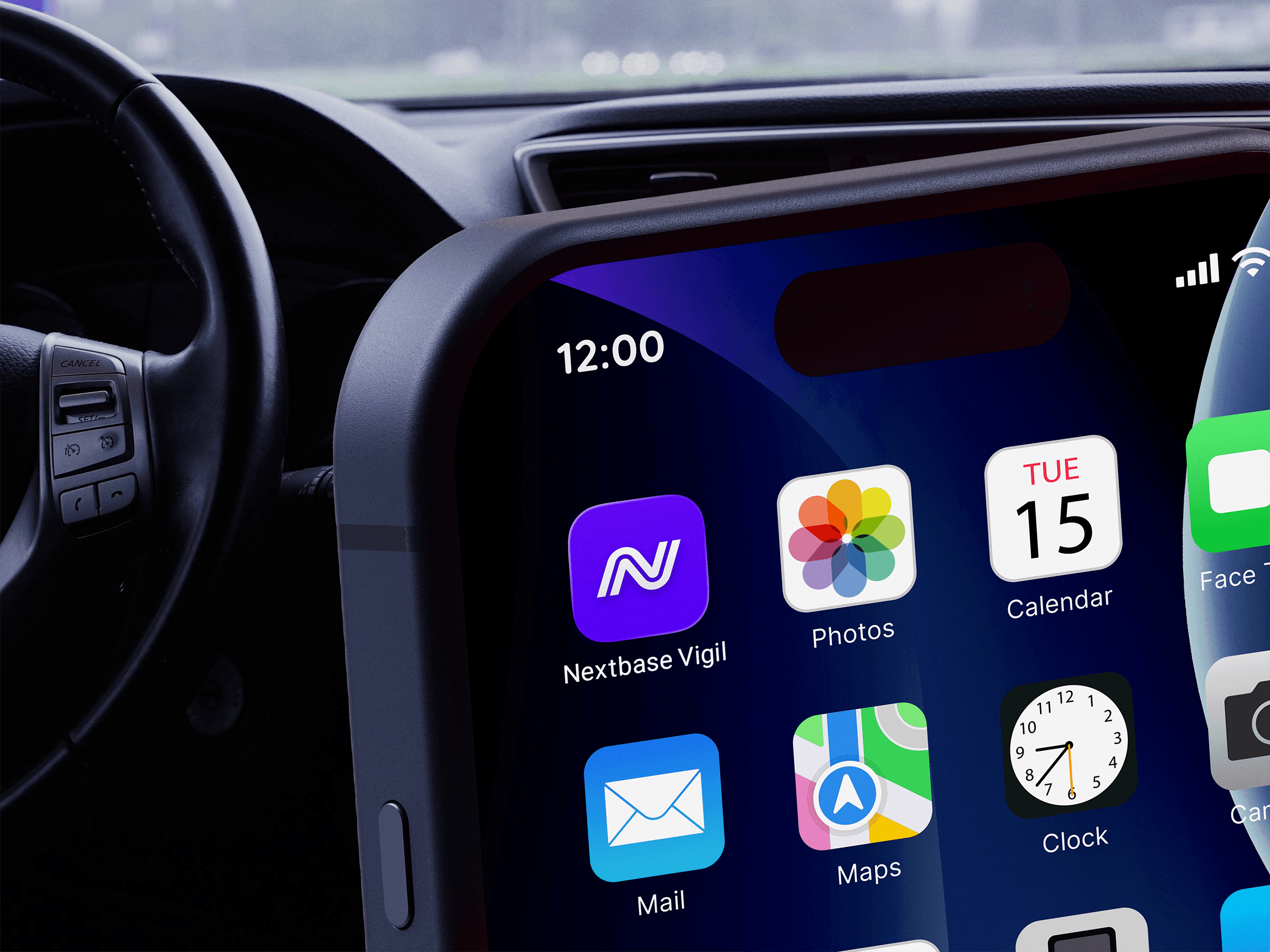
Vigil is then connected via OBD-II and Bluetooth to the Nextbase companion app, updated with multi-modal, fully customizable alerts.
into the car
Installation needed to stay under three steps to remain accessible to the target audience.
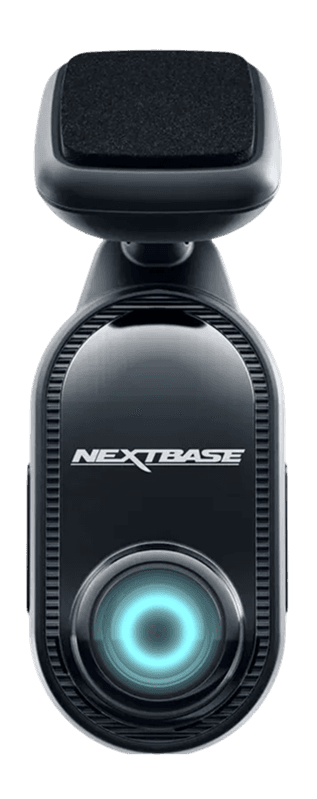
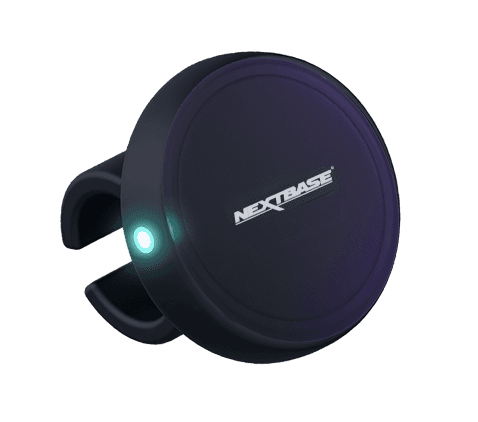
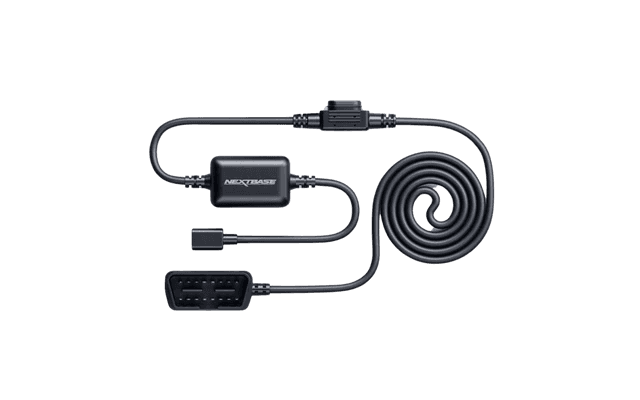
Hardware setup is complete before the app is even opened.
Design
Static = Stale
Research flagged a consistent limitation in existing alert systems: interventions kept unchanged cause habituation, losing their effectiveness over time.
Saved profiles with fully configurable modalities (haptic pattern, voice style, trigger actions) exist to counter that directly, and make it easy to keep alerts engaging and effective based on your needs.
Reflection
Vigil demonstrates the technology gap in driver safety as a distribution and design problem.
Reaching the highest-risk demographic on the road would undoubtedly reduce the number of drowsiness related accidents.
By reframing existing solutions within consumer hardware brands, Vigil closes the price and access gaps; providing a realistic solution without requiring new infrastructure.